Posts

Showing posts with the label Indian Elections

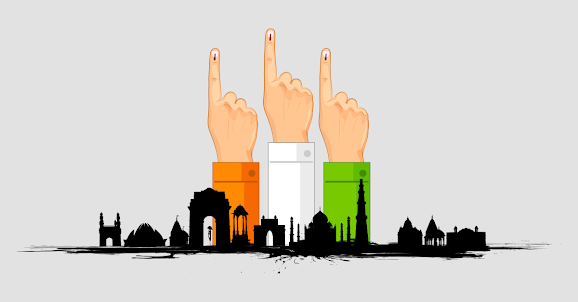
Do Urban Middle-Class Voters Bring Unique Perspectives to Indian Politics?
Image
 Urban middle-class voters in India occupy a distinctive position in the country's political landscape. With rising aspirations, access to information, and an evolving socio-economic status, they play a pivotal role in shaping Indian politics. In this blog, we'll delve into the unique perspectives and influences that urban middle-class voters bring to the Indian electoral process. From their expectations and concerns to their impact on policy decisions, we'll explore how this demographic cohort contributes to the dynamic tapestry of Indian democracy. Section 1: Rising Aspirations and Economic Priorities   Urban middle-class voters often prioritize economic stability and growth. They are acutely aware of issues related to job creation, inflation, and fiscal policies. Their unique perspective is rooted in their desire for a stable and prosperous future. We'll examine how these economic concerns guide their voting decisions and influence political discourse. Section 2: Ac...

Religious Diversity and Elections in India: Communalism and Secularism

Image
 India is known for its remarkable religious diversity, with adherents of various faiths coexisting for centuries. This diversity is reflected in its electoral politics, where religion often plays a prominent role. The delicate balance between communalism (religious-based politics) and secularism (the separation of religion and politics) shapes the Indian political landscape. This blog explores the complex relationship between religious diversity, elections, communalism, and secularism in India. Religious Diversity in India India's religious diversity is a defining characteristic. Hinduism, Islam, Christianity, Sikhism, Buddhism, and Jainism, among others, coexist in the country. This pluralism is not just a facet of daily life but also deeply entrenched in its political and electoral fabric. Religion and Voting Behavior Religion often influences voting behavior in India. Voters may align with political parties or candidates based on religious affiliations. This phenomenon is parti...